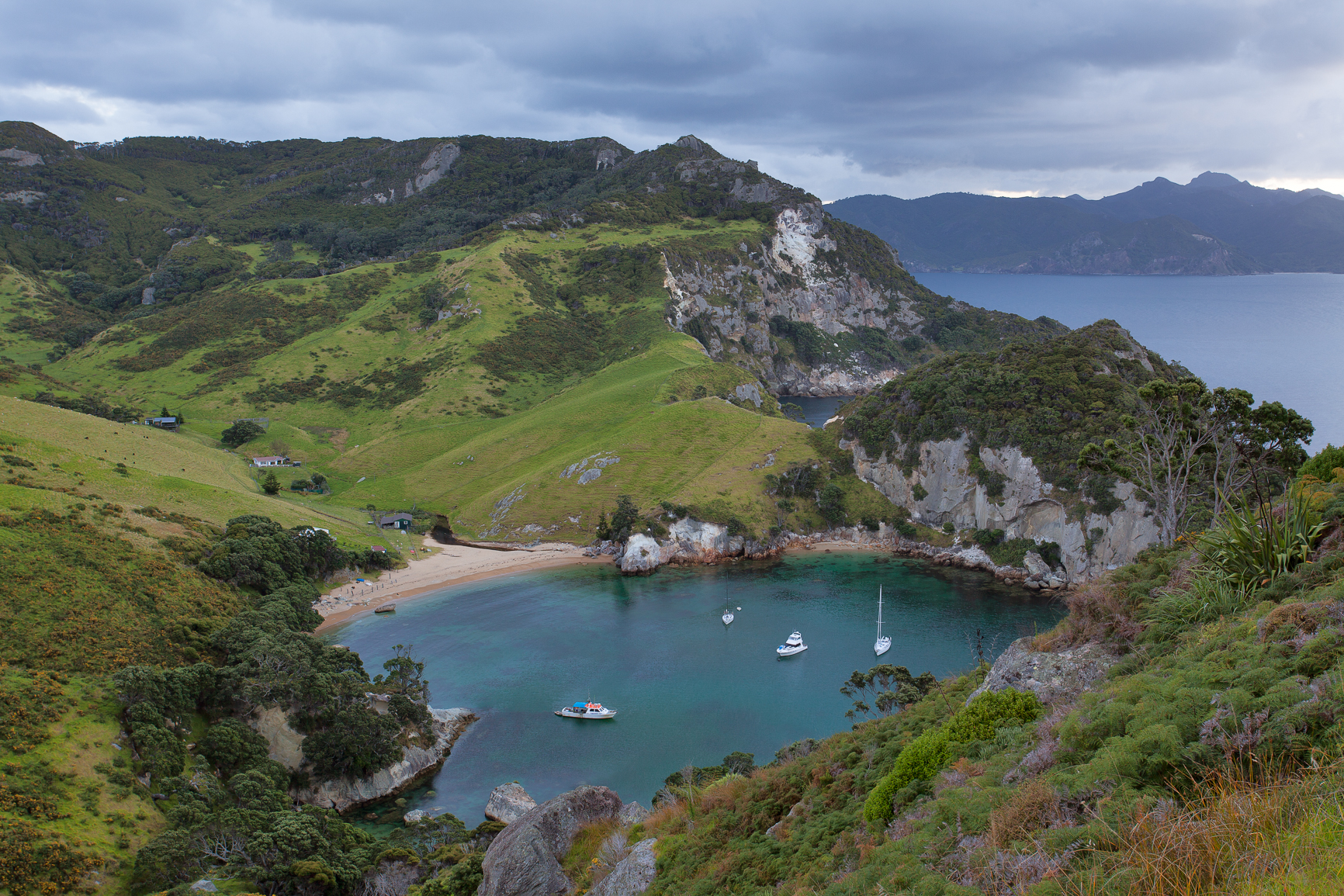
Sheltered cove on Rakitu Island with boats at anchor and Aotea Great Barrier Island behind
Fund a Hark network

Give a place its voice back.

Each project below needs Hark units in the field. Choose a place, fund the Harks it needs, and name the unit that will listen there on your behalf.

See the projects
“A game changer for conservation.”
Department of Conservation, on Hark
{{ s.n }}

{{ s.title }}

{{ s.copy }}

What your Hark does

The ears of the forest, listening 24/7.

A Hark is a solar-powered acoustic monitor. One unit protects a place in four ways.

01 Counts the life in a place Listens day and night and identifies birds and other wildlife by their calls. Over months and years it shows whether populations are growing. EXAMPLE · Kōkako calls detected · 6 this week
02 Predator alerts Picks up the sounds of rats, stoats, possums and cats, and alerts rangers so they can act before nests are lost. ALERT · Stoat detected · Station 7 · 02:14
03 Smoke alerts Detects signs of fire early in remote country, giving people time to respond and protect the forest. ALERT · Smoke detected · Ridge station · 14:32
04 Proof your support works The data shows what changed after trapping, planting and releases, so you can see the difference you made. REPORT · Your Hark’s first season
Choose where to fund

Where would you like your Harks to listen?
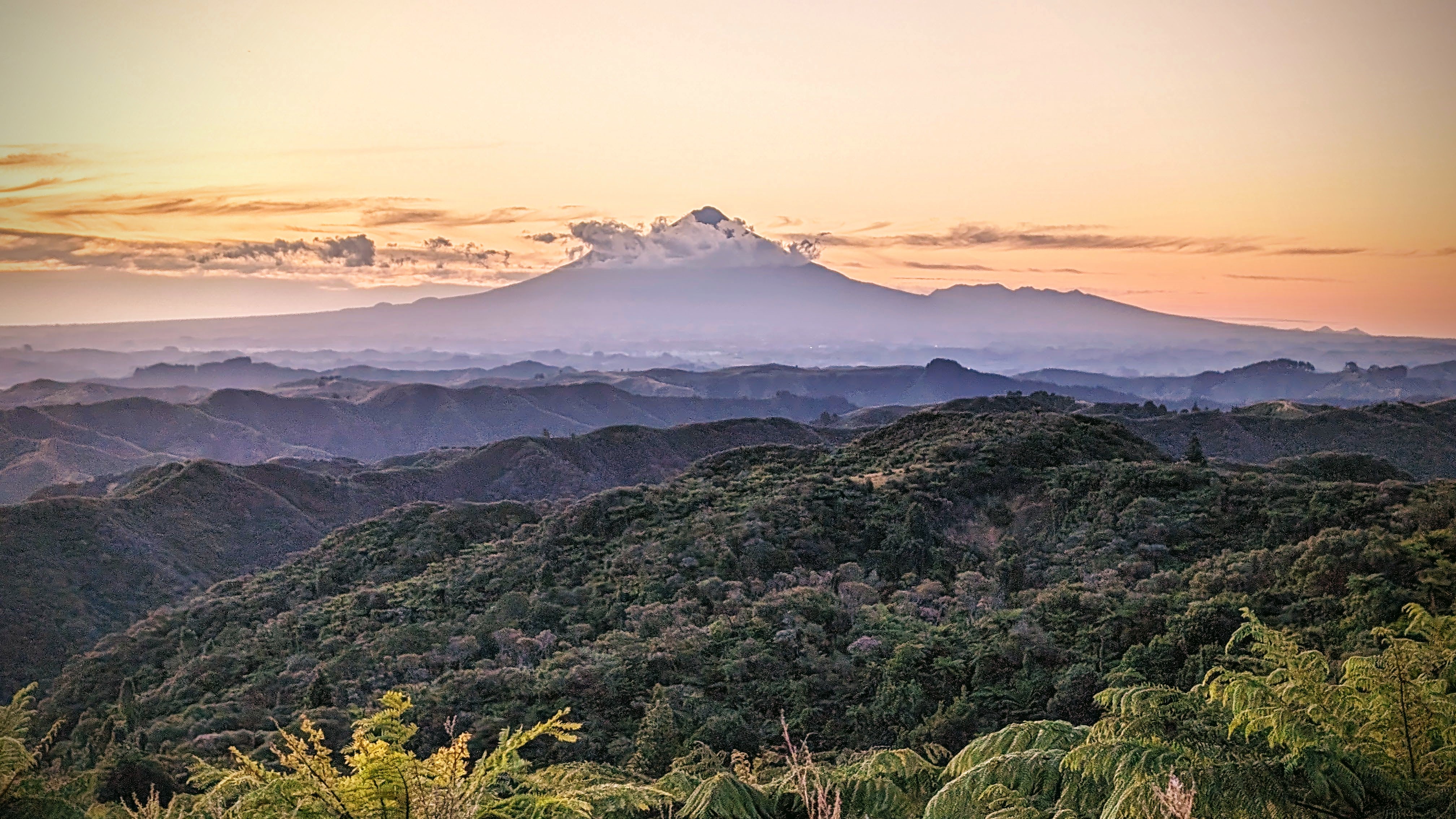
Dawn over the forested hill country of eastern Taranaki with Taranaki Maunga behind
Our home rohe With Ngāti Maru · Taranaki

Ngāti Maru rohe

The 800 Trust sits within the rohe of Ngāti Maru, around 220,000 hectares stretching from Taranaki Maunga east to the upper Whanganui River. It is steep, remote hill country, and very little conservation work happens across most of it. Nobody yet knows what lives in much of this land.

A network of 1,000 Harks would give us the first full picture: which birds, bats and pests are present, where, and how that changes as predator control and restoration grow. Working alongside Ngāti Maru as kaitiaki, it turns a blank map into a baseline we can measure progress against.
01Discover what is living across a landscape that has barely been surveyed.
02Measure recovery year on year, so every dollar of conservation shows its result.
03Climate resilience. Native forest regrowing on steep hill country holds the soil on slopes prone to erosion and stores carbon as it matures. Harks show whether that forest is coming back to life.
{{ maruGoalLabel }}
Harks needed
{{ priceLabel }}
{{ priceUs }}
Per Hark
{{ maruTotal }}
{{ maruTotalUs }}
Full network
Funding as a trust or foundation
TBC: CONFIRM ROHE SIZE + COPY WITH NGĀTI MARU / TE KĀHUI MARU
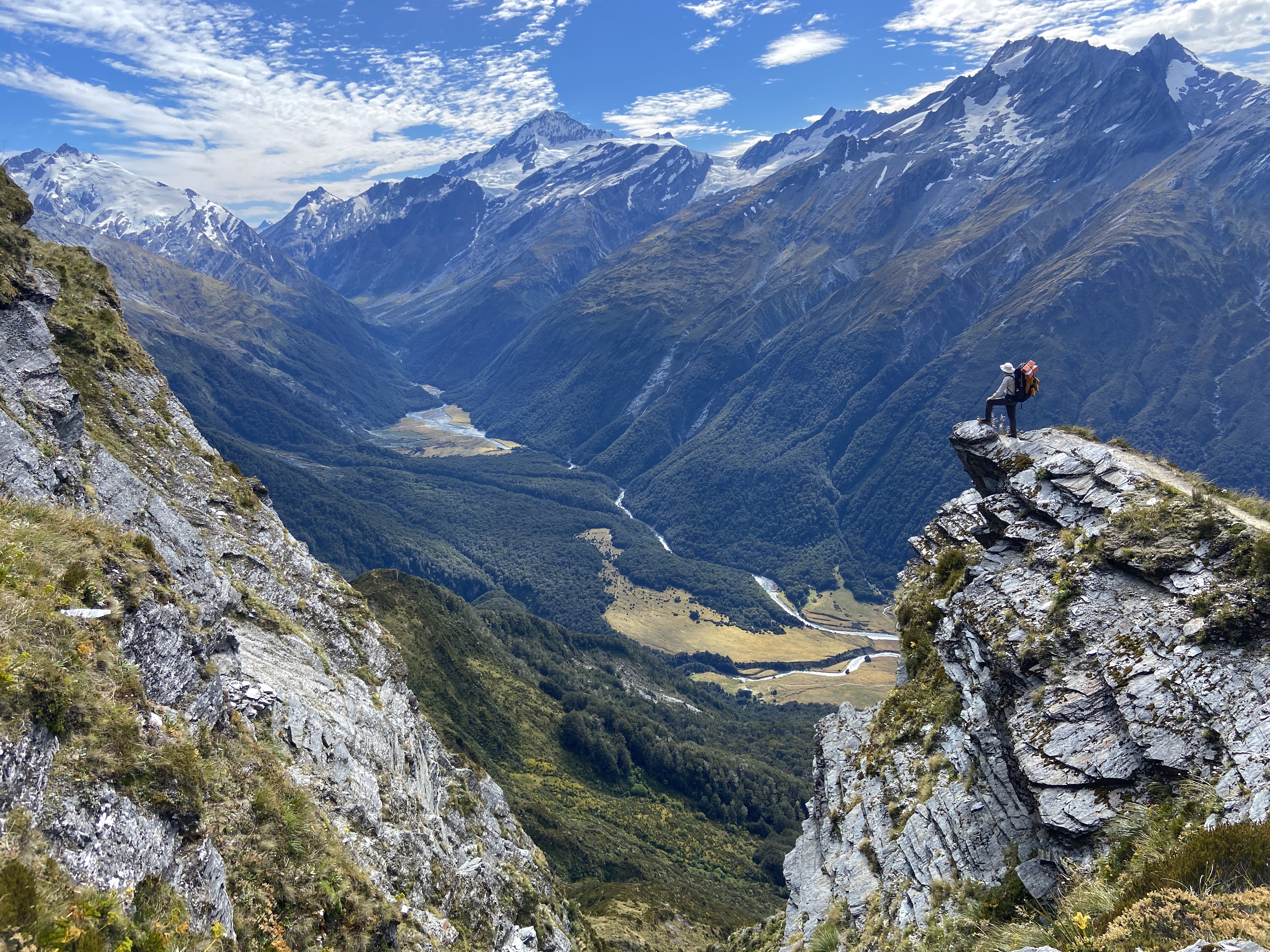
A tramper on a rocky outcrop above the Mātakitaki valleyMātakitaki. Photo: Sam Reay, Southern Lakes Sanctuary
With Southern Lakes Sanctuary Queenstown · Wānaka · Glenorchy

Southern Lakes

Southern Lakes Sanctuary is restoring nature across 850,000 hectares, protecting 33 threatened native species with more than 100 community groups. Part of the area lies within Te Wāhipounamu World Heritage Area. The proposal is to deploy 1,000 Harks across three environments.

01
Mātakitaki ValleyThreatened-species stronghold, including mōhua recovery.
02
Rees ValleyHome of the sanctuary’s takahē recovery programme.
03
Queenstown and WānakaWhere towns, gardens and reserves meet the mountains.
{{ slsGoalLabel }}
Harks needed
{{ priceLabel }}
{{ priceUs }}
Per Hark
{{ slsTotal }}
{{ slsTotalUs }}
Full network
Read the proposal (PDF, 7 pages)
Rakitu Island cove
Photo: C Morton
Ready to fund Hauraki Gulf · Aotearoa

Rakitu Island

Rakitu (Arid Island) sits off the north-east coast of Aotea Great Barrier Island. A Hark network here would listen across the island’s valleys and coastline, recording which species are present and how the island is recovering over time.
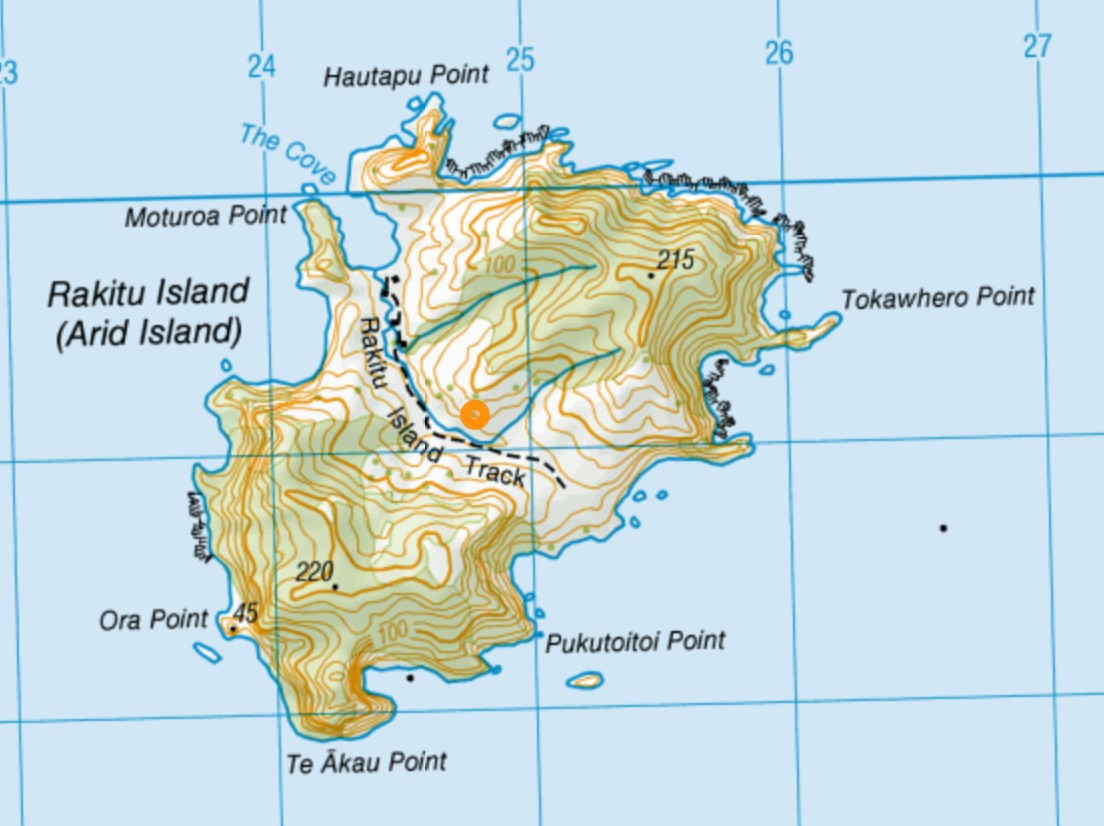
Topographic map of Rakitu Island showing the Rakitu Island Track
Topographic map: LINZ
{{ goal }}
Harks needed
{{ priceLabel }}
{{ priceUs }}
Per Hark
{{ goalTotal }}
{{ goalTotalUs }}
Full network
Funding as a trust or foundation
TBC: HARK COUNT, PRICE, MANA WHENUA ACKNOWLEDGEMENT
With Department of Conservation Subantarctic · Aotearoa

Auckland Islands

Motu Maha · Maukahuka

The Auckland Islands lie 465 km south of the South Island. The Department of Conservation aims to make the main island predator free so rare species can be relocated there. Harks would listen across the island to confirm predators are gone and record native species as they return.

Topographic map of the Auckland Islands
Topographic map: Jackaranga, Wikimedia Commons (SRTM data)
{{ aiGoalLabel }}
Harks needed
{{ priceLabel }}
{{ priceUs }}
Per Hark
{{ aiTotal }}
{{ aiTotalUs }}
Full network
Funding as a trust or foundation
TBC: HARK COUNT, DOC-APPROVED COPY AND PHOTOS
Auckland Island, west side. Photo: L. Mead & T. Nicklin, Wikimedia Commons
{{ regionLabel }}

{{ regionHead }}

{{ regionCopy }}

More projects to choose from

Choose the place that matters to you. We’ll reach out to the project and develop a project plan with them, then come back to you with the Hark numbers and costs.

New · Seeking funding

Gamifying Hark: nature makes the game.

A web app that turns real Hark detections into a discovery game for young people. We have the prototype and are seeking NZ$600,000 to build a fully functioning product.

Help gamify Hark
Predator Free 2050 · Seeking funding

Fund an engineer for a predator-free Aotearoa.

The 800 Trust is a strong supporter of New Zealand’s Predator Free 2050 goal, where nature thrives. Hark is only the start. We have more tools to build that help find and remove the last predators, and funding an engineer is the fastest way to get them into the field.

Fund an engineer
Recognised nationally

Backed across New Zealand

Hark won Best Hi-Tech Solution for the Public Good at the 2026 New Zealand Hi-Tech Awards. On the night, founder Miranda Wells spoke with leaders from across the political spectrum about protecting New Zealand’s wildlife.

Miranda with Prime Minister Christopher Luxon
Miranda with Labour leader Chris Hipkins
Trusts, foundations and major donors

Fund a whole network

For grants and larger gifts we prepare a project proposal with budget, deployment plan and reporting schedule. Funders receive regular detection reports from their Harks and recognition on the project page.

{{ s.n }}{{ s.t }}
Request a proposal
800 Trust
{{ t.label }}
{{ projName }}

How many Harks will you fund?

Make it yours

Name your Hark

Your dedication appears on the project page and on every detection report from your unit.

Secure payment

{{ totalLabel }}

{{ harkWord }} · {{ harkTotal }} + Wildlyfolk film · {{ filmPrice }}

We’ll email an invoice with bank details. Your Hark is reserved for 14 days.

800 Trust is a registered charity. Donations may be eligible for a tax credit. TBC: CHARITY NO., GATEWAY

Thank you

{{ projShort }} has {{ harkWord }} listening for you.

We’ve emailed your receipt and certificate to {{ emailShown }}. You’ll get a photo when your Hark is installed, then its first detection report.

{{ toast }}
{{ portal }} {{ intro }}